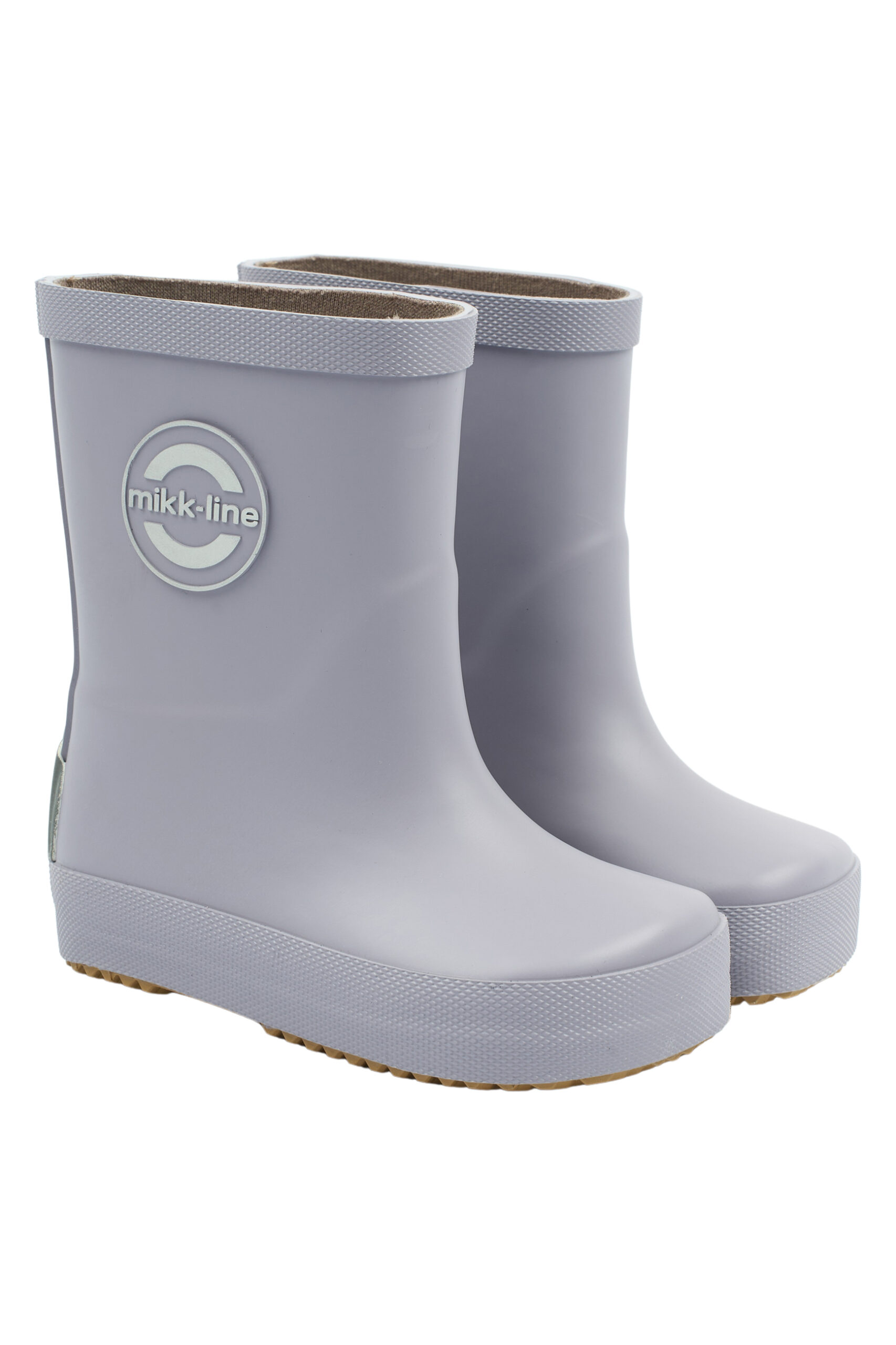
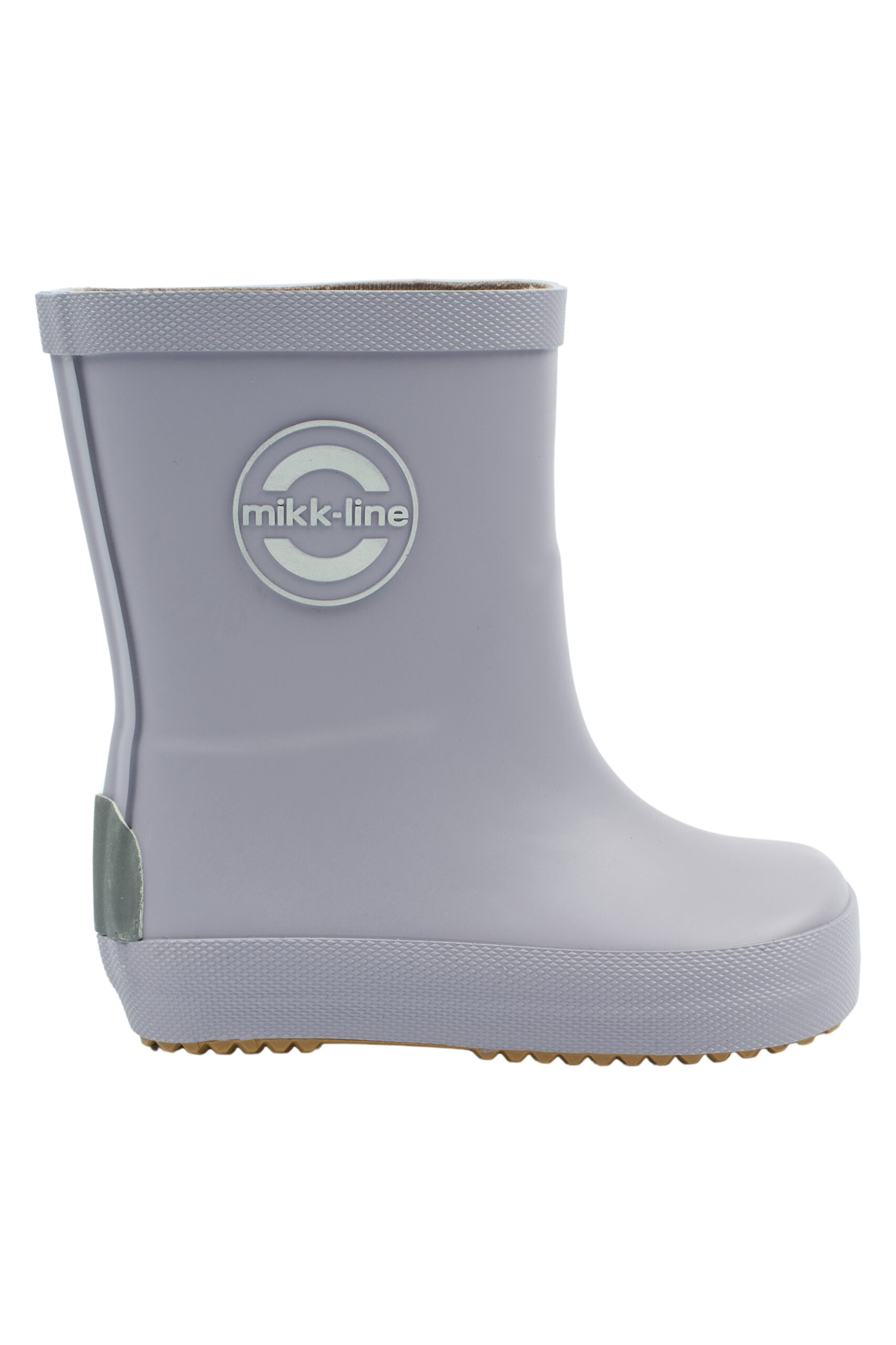
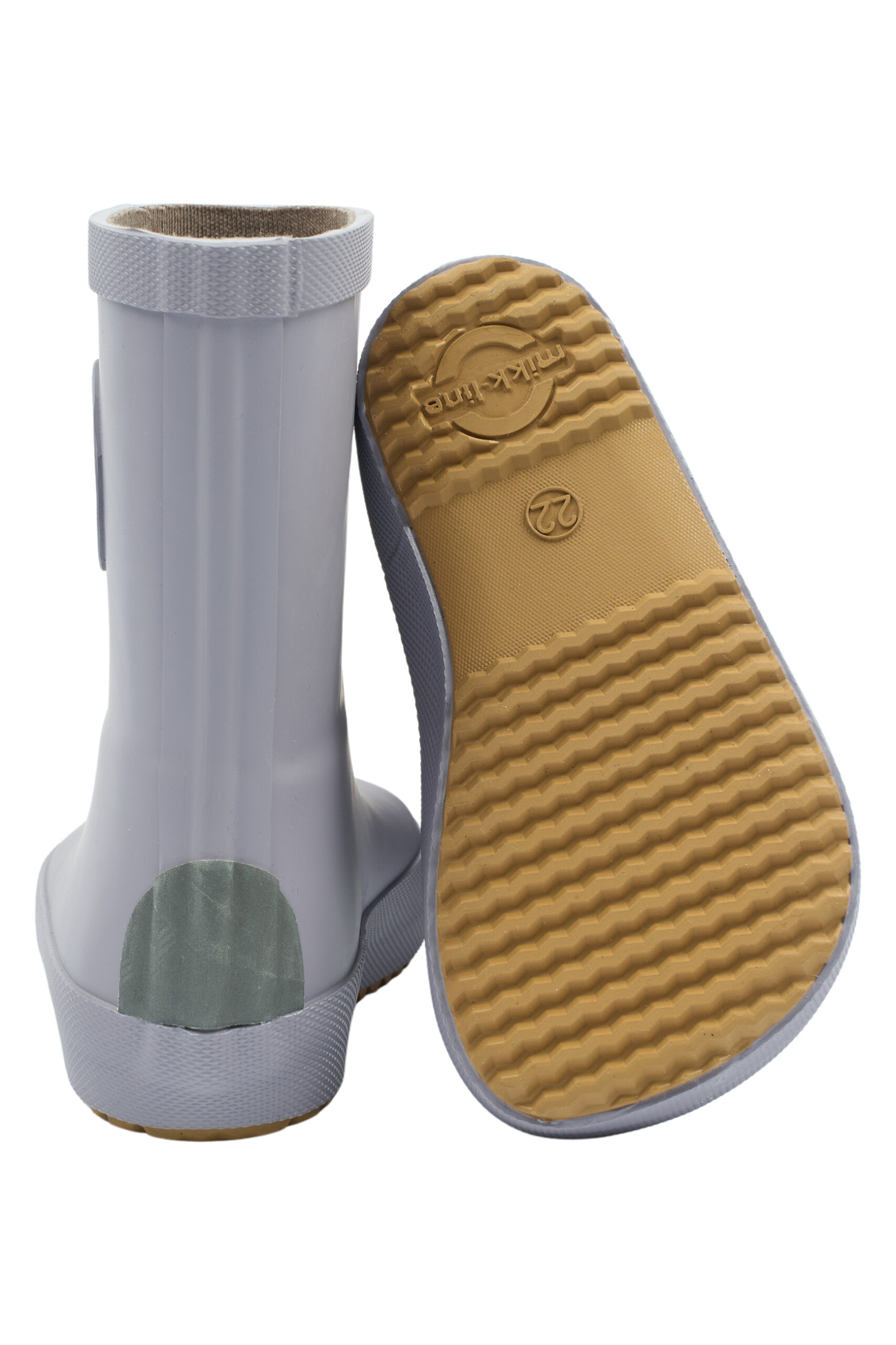
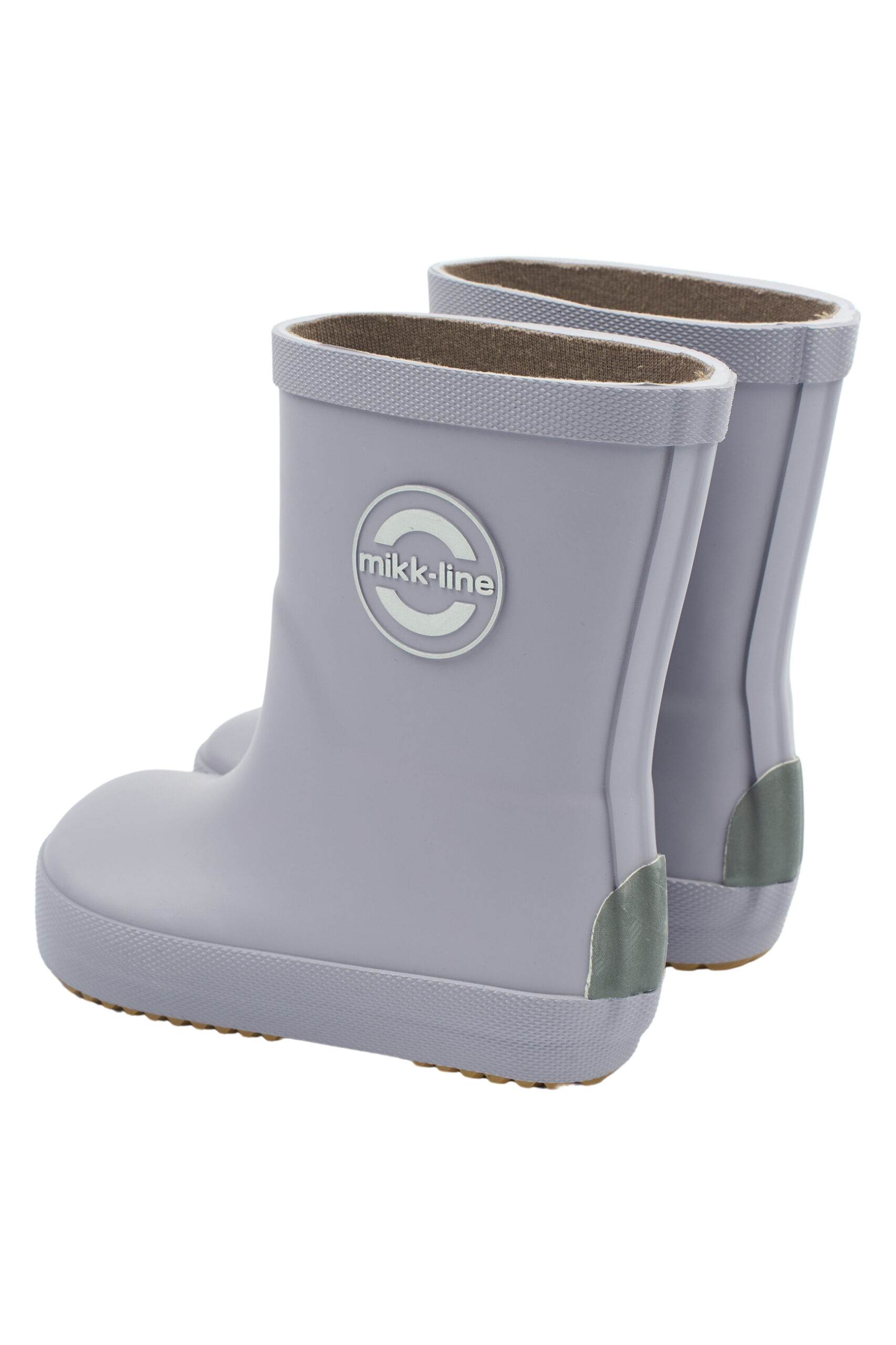
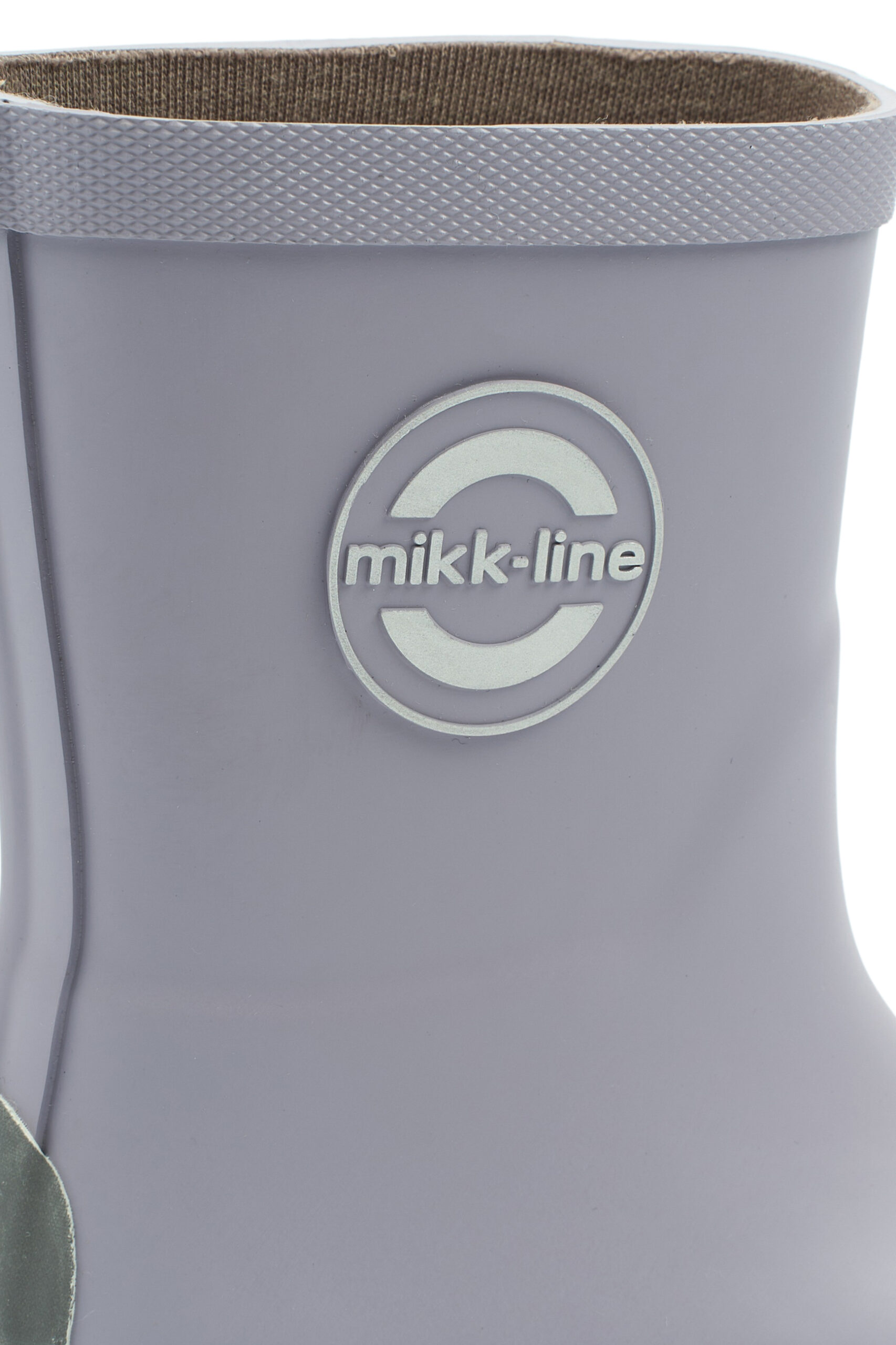
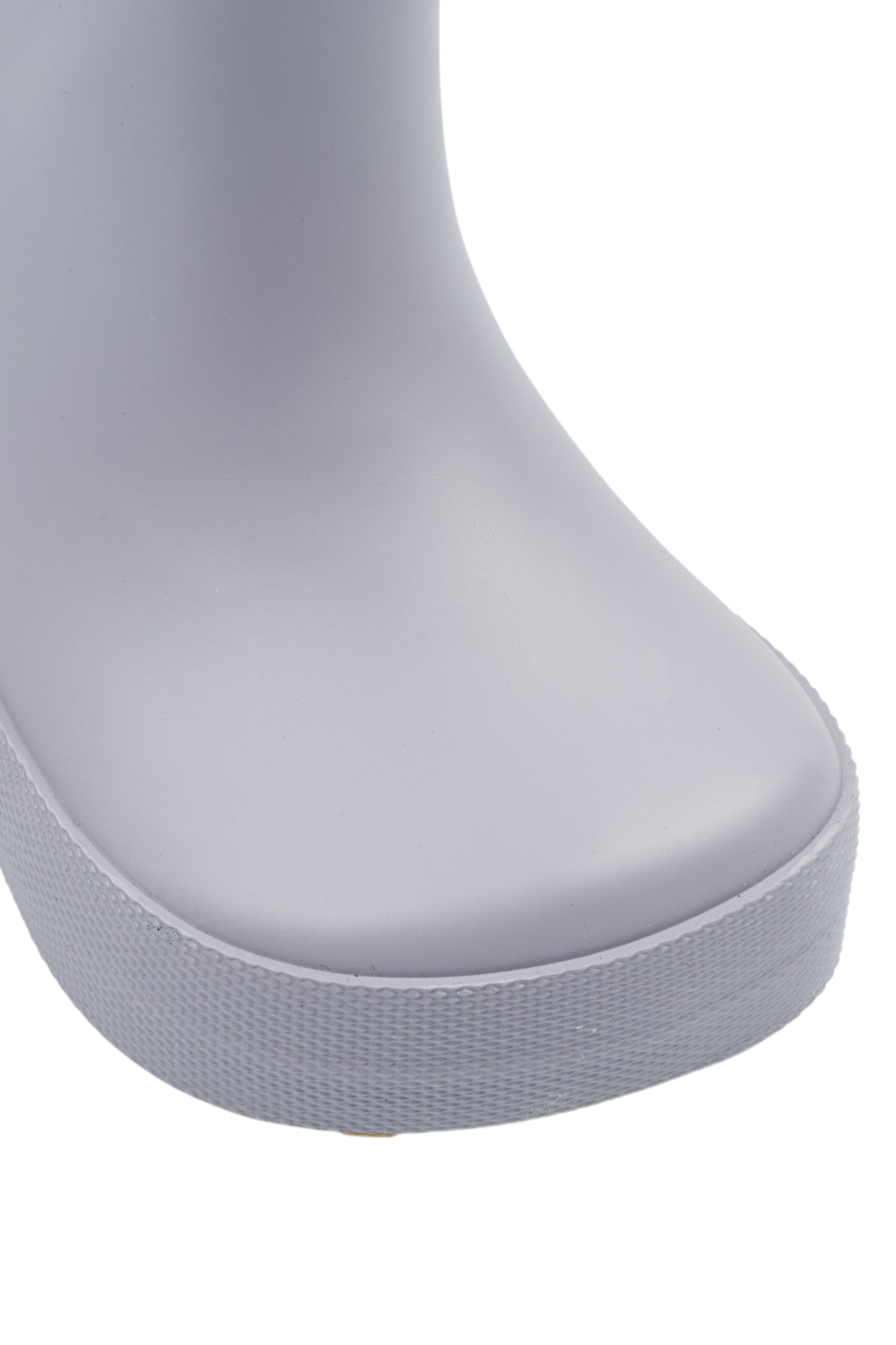
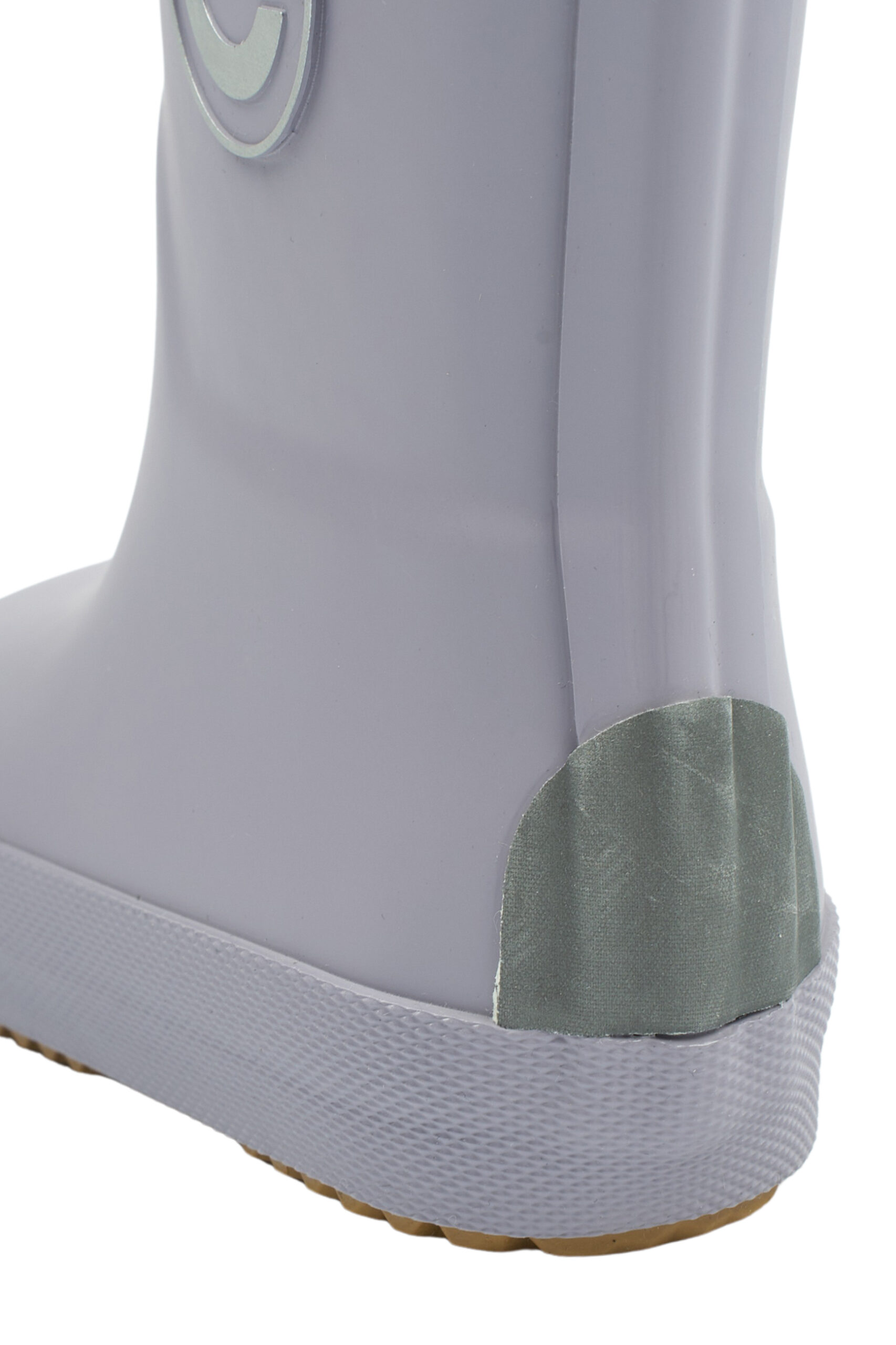
The rubber boots are best suited for medium to wide and higher feet. When choosing the right size, it's best not to leave too much extra room, as the rubber boot is not secured on the foot, which could cause the child to drag their feet. The recommended growth allowance is 1.0–1.2 cm.
| Size |
Length (cm) |
Width (cm) |
Shaft height (cm) |
Weight (g) |
| 22 |
14.4 |
6.8 |
15.0 |
229 |
| 23 |
15.2 |
6.8 |
15.0 |
251 |
| 24 |
15.9 |
6.8 |
18.0 |
284 |
| 25 |
16.6 |
7.0 |
18.0 |
316 |
| 26 |
16.8 |
7.1 |
17.7 |
334 |
| 27 |
17.8 |
7.3 |
18.0 |
324 |
| 28 |
18.5 |
7.4 |
19.7 |
387 |
| 29 |
19.2 |
7.6 |
19.7 |
365 |
| 30 |
20.0 |
7.6 |
20.0 |
374 |
| 31 |
20.5 |
7.7 |
20.0 |
397 |
| 32 |
20.8 |
8.0 |
22.0 |
435 |
| 33 |
21.7 |
8.0 |
22.0 |
444 |
The measurements are indicative and may vary slightly depending on the measurer. The measurements were taken by Lilz Kids and may differ from the manufacturer’s own data.
If any of the measurements don’t seem correct, we measured and checked them several times and still got at the same result.
The inner length and width of the footwear have been measured from the insole.
*]:pointer-events-auto scroll-mt-[calc(var(--header-height)+min(200px,max(70px,20svh)))]" dir="auto" data-turn-id="request-WEB:8fbf7aff-5063-43fb-b8a6-e568d4eb0d32-8" data-testid="conversation-turn-18" data-scroll-anchor="true" data-turn="assistant">
How to care for natural rubber?
- Treat before use – Coat rubber boots with a thin layer of olive oil to protect the material and reduce staining.
- Clean regularly – Rinse the rubber boots with cold to lukewarm water and, if necessary, clean them with a soft cloth.
- Use a gentle cleaning agent – If you use soap, choose a neutral and mild product.
- Avoid strong chemicals – Do not use stain removers or harsh cleaning agents that may damage the rubber.
- Remove tougher dirt – If necessary, use a damp melamine sponge to remove more stubborn stains.
When purchasing rubber boots, it is important to consider that boots made especially from natural rubber or other soft synthetic materials are primarily intended for use in rainy and wet conditions. Soft rubber is designed to make the boots more flexible and therefore more comfortable for the wearer (for example, barefoot-style boots). However, due to its softness, this type of material is inherently more susceptible to wear and mechanical damage.
Rubber boots are well suited for repelling water and moisture, but they are not intended for intensive use or high-wear activities, such as braking with the feet on a balance bike, playing on gravel, rubbing footwear against asphalt, or other similar actions that may damage the rubber.
An incorrectly chosen size can also increase the risk of damage. If there is too much extra room in the boots (we recommend a maximum of 1 cm for smaller wearers and up to 1.2 cm for larger wearers), a child may start dragging their feet, which accelerates wear.
In the case of lined rubber boots, too much extra room can also cause wear to the heel lining—when walking, the heel moves up and down, and this friction gradually wears down the lining.
Please note that damage resulting from such use is not covered by the warranty and does not indicate a manufacturing defect.
Read more about rubber boots.