
The rule for washing outerwear is that less is better.
In this blog post, we offer advice and share recommendations on how to care for and clean outerwear. Cleaning outerwear is occasionally necessary both during the season and when transitioning between seasons, as seasonal clothing finds its way into the wardrobe or the second-hand market.
Depending on the intended purpose, the most common technical features of outerwear are windproofing, waterproofing, and breathability. Today, high-tech fabric materials have been developed that offer all of these qualities, such as softshell, shell, or other materials. However, water or moisture resistance is mostly achieved through the treatment of the material. With outerwear, you may have noticed phrases like ‘The material is treated with Teflon EcoElite™’ or ‘The material is treated with BIONIC-FINISH® ECO.’ But what does this actually mean?
This means that the fabric’s surface has been treated with a specific agent designed to ensure the water resistance and stain resistance of textiles and clothing. It is very important to maintain these properties, as improper washing of the garments can destroy them.
First, we recommend checking if the manufacturer has provided any care instructions, such as washing temperature, whether hand washing, machine washing, or dry cleaning is suitable, as well as how drying should be done, etc. It’s also worth considering whether washing the product is really necessary. Often, simply wiping with a damp cloth or rinsing the garment under a lukewarm shower is enough. For example, with children’s clothing, dirt can even protect the garment, as the dirt itself creates a protective layer.
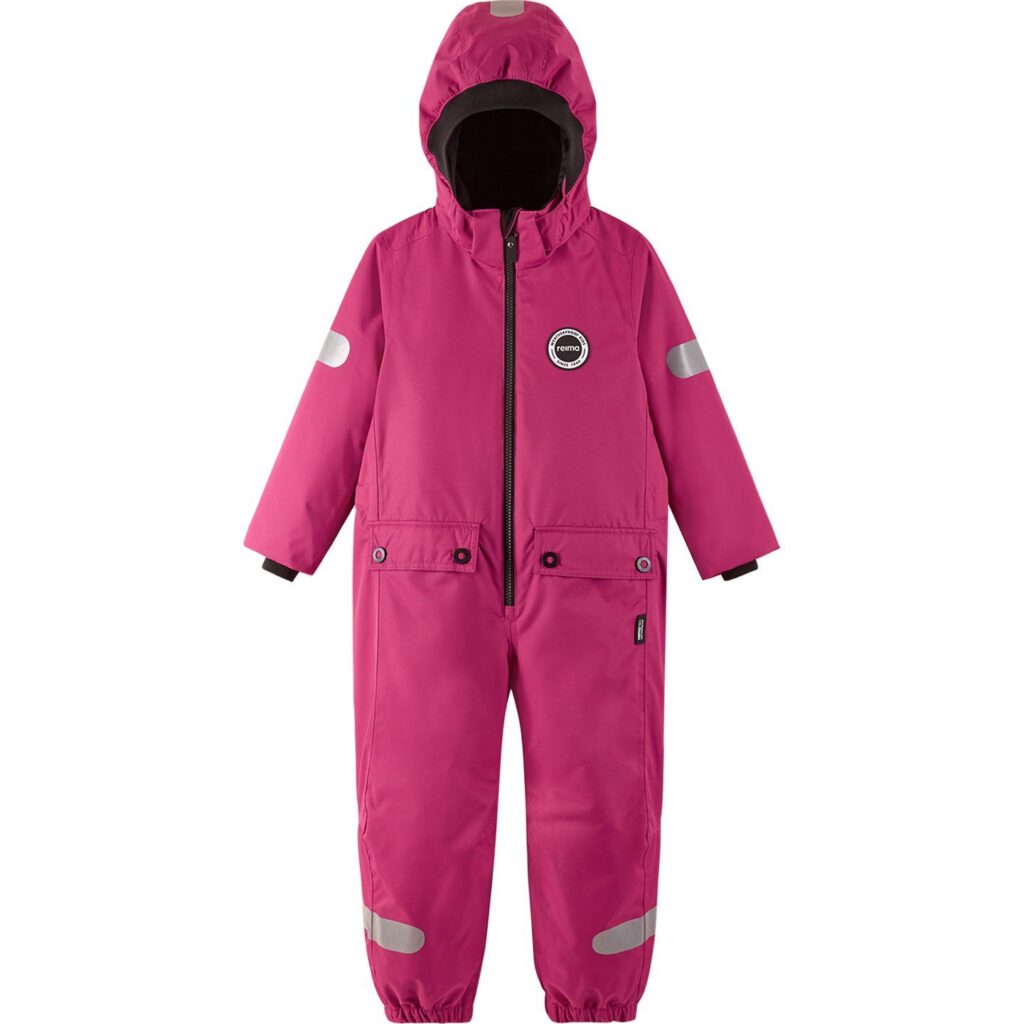
But if washing is unavoidable, our recommendations are as follows:
- Wash outerwear with the lining side out. This way, you protect the outer layer from excessive friction.
- Close all zippers, as open zippers can get caught on other clothes or the washing machine drum, which may cause fabric tears or damage.
- Clothes should be washed in similar colors to prevent them from bleeding onto each other.
- It can be helpful to add something else in the washing machine to create friction between the clothes, which ensures better washing efficiency. For example, you can use a towel.
- The wash water temperature should be cool, up to 40 degrees (the exact temperature may depend on the manufacturer’s recommendation).
- The spin speed should be low, unlike a regular washing machine, preferably between 600–800 revolutions per minute or even using the hand wash program.
- The detergent should not contain fabric softeners or bleaches.
- After the wash cycle is complete, we recommend using a slightly more intense spin (1000-1200 RPM). This additional spin is especially useful for insulated clothing (usually with polyester lining) like jackets, pants, and suits. It helps to more effectively remove excess water from the lining without damaging the garment, as the additional spin lasts for a short period (usually 10-15 minutes). Alternatively, you can use a large towel to gently blot out the excess wash water. Why is removing excess water necessary? The lining absorbs water, and if you hang, for example, a winter suit to drip dry, the water can make the lining heavy, which may stretch and shift it out of place. To prevent the lining from shifting, it helps to lay the suit flat on a level surface to dry, such as a drying rack. You should also ensure that the dripping water doesn’t damage the floor surface.
- Do not dry clothes on a hot heating source (stove or radiator); instead, allow them to air dry on a hanger or drying rack (see point 8). First, dry one side, then turn the garment inside out to dry the other side. Sun drying is also not recommended, as the sun can make the fabric too hot or even bleach the material. Generally, a drying cabinet used in daycare should operate at a maximum of 40 degrees, and drying there should not damage the material. The temperature of the drying cabinet should not exceed the temperature recommended by the manufacturer for washing.
What kind of damage can excessively high washing spin speeds cause to clothes?
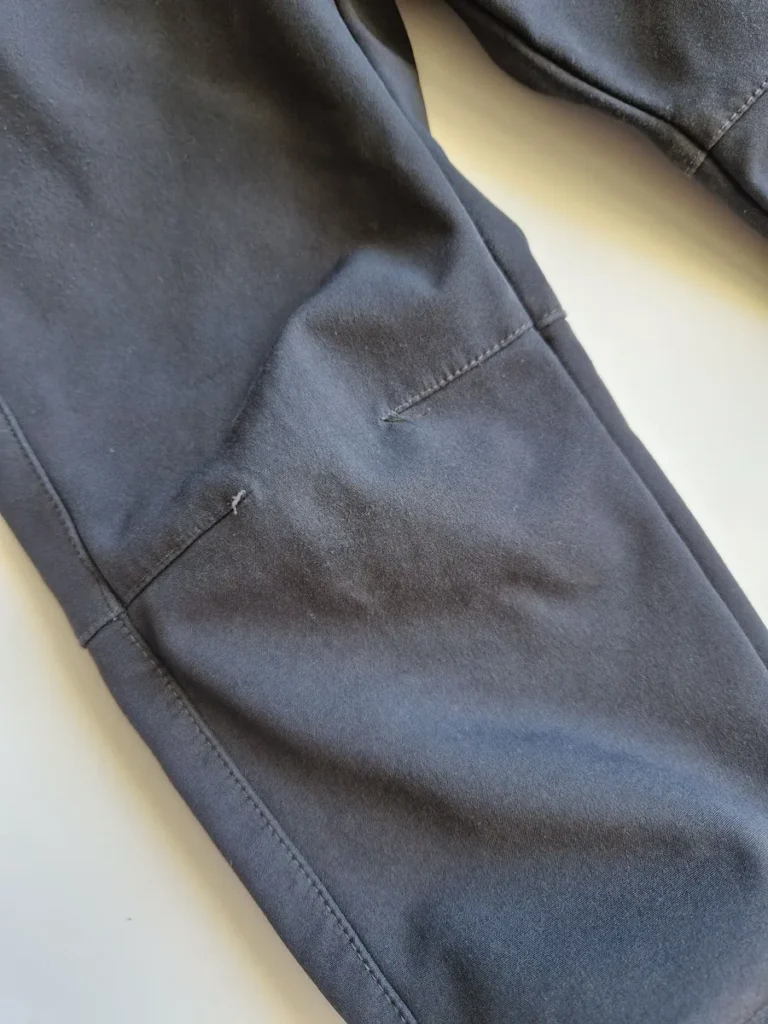
The most obvious damage is that excessively high spin speeds wear out the treatment agents on the material that ensure the technical properties of the clothes. For example, with softshell fabric, the damage is quite noticeable, as a “laundry haze” may form on the surface, indicating that the material has worn down. Such wear often occurs as a result of natural wear in areas like the inner parts of the legs, the lower leg openings, and the ends of the sleeves, where the material moves most intensively. Many outdoor garments have taped seams to ensure water resistance, but if the washing machine spin speed is too high, these tapes can get damaged.
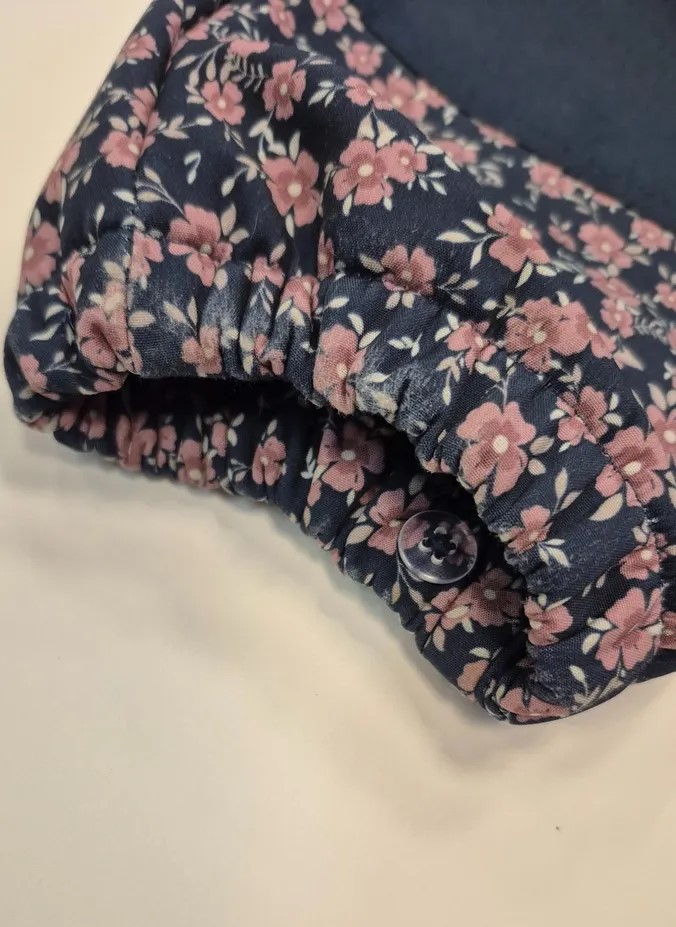
Too hot water
For washing outdoor garments, it is recommended to choose a cool temperature that does not exceed 40 degrees Celsius (check the care label for exact instructions). While hot water effectively kills the bacteria that accumulate on the fabric’s surface, it can also damage the material. For example, treatment agents that provide the fabric with its technical properties can be washed away with high temperatures. High temperatures are also harmful to glued components, as the heat can melt the adhesive. Glued parts include, for instance, the waterproof tapes under the seams, reflective details, and reinforcements on the knees and seat area of rainwear. Therefore, it is important to follow the recommended washing and care instructions to ensure that the garments maintain their functionality and durability.
What should you use to wash outdoor garments?
Not every detergent is suitable for cleaning outdoor garments. It’s important to choose detergents that do not contain fabric softeners or bleach. While these substances are effective at removing stains and softening clothes, they can damage the properties of outdoor clothing. Fabric softeners are designed to soften clothes but can negatively affect the technical features of outdoor garments. Bleach removes stains and whitens materials, but it can damage colors and sensitive fabrics. Therefore, it’s best to choose detergents specifically designed for outdoor clothing, which help protect the garment’s technical properties.
For example, a popular detergent in Estonia is Mayeri Sportwash, which is specifically designed for washing sports and outdoor clothing. This effective detergent removes sweat and unpleasant odors while preserving the fabric’s original properties, such as breathability and water resistance.
Nikwax products are also popular. Nikwax products with green caps are detergents, while those with purple caps are for post-wash treatment, such as restoring water repellency.
Heavy soiling
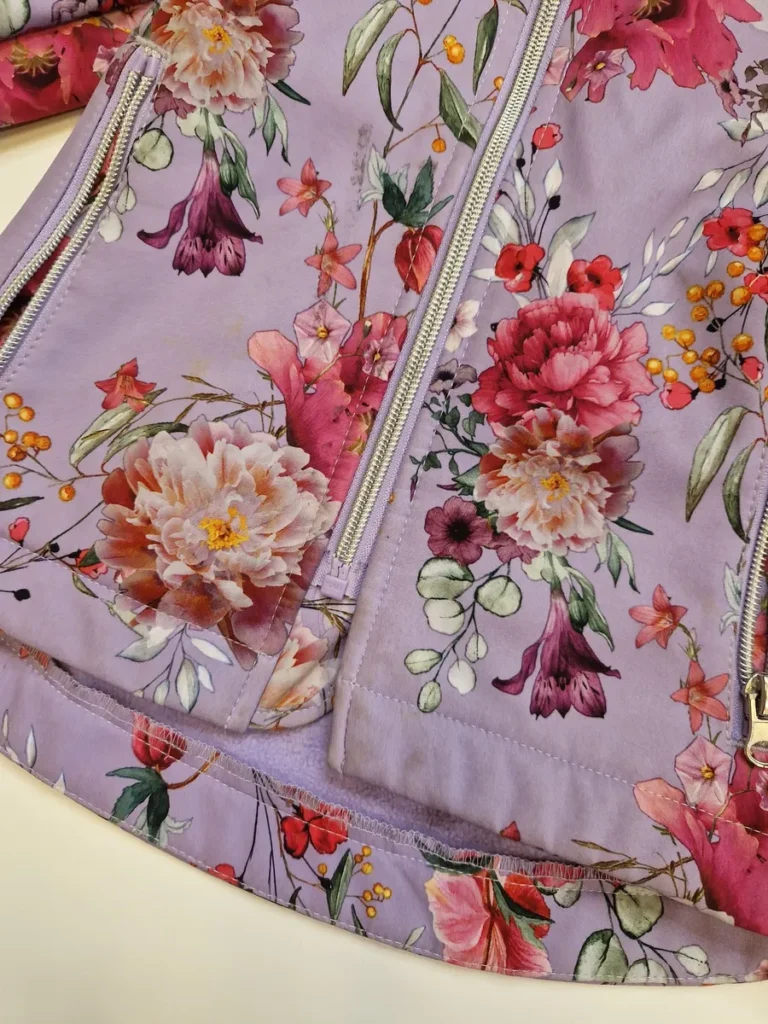
In case of heavy soiling, it should be considered that if a stain does not come off with a gentler wash, the dirt has likely already penetrated deeper into the fabric layers and affected the fabric treatment. Often, you have to accept that the garment is simply dirty and improve its appearance by washing off the larger dirt. The use of strong stain removers (including soap) is definitely not recommended. You can try mild products intended for delicate textiles and attempt spot cleaning instead of washing the entire fabric. When spot cleaning, keep in mind that too much friction can also damage the fabric’s surface.
The Estonian brand GoGoNano offers a product called Clean, which can be used for spot cleaning delicate garments, including outdoor clothing.
Is it possible to restore the technical properties of outdoor clothing?
The technical properties of outdoor clothing, such as water resistance and breathability, can deteriorate over time, especially due to frequent washing, improper care, or intense use (e.g., knees). However, the good news is that these properties can be restored to some extent. There are washing and impregnation products available on the market that help restore the garment’s original technical features. The use of such products is also recommended after performing spot cleaning.
For example, one such product is Nikwax Water Repellency Restorer, which does not have a noticeable or absorbent lining. For softshell materials, a suitable option is Nikwax Softshell Wash-In Treatment. For more detailed information on how to use the product, refer to the product label.
The GoGoNano product range includes two main products for protecting shoes and clothing, which can be conveniently used for both local protection and full treatment of items. The aerosol spray Textile Protection Stay Dry is designed for shoes and clothing, while the more eco-friendly (non-aerosol) Water Repellency Restorer EcoProtect is suitable for leather and textiles. GoGoNano protective products do not affect the material’s own properties, meaning they do not interfere with breathability (the protection works inside the material rather than creating a “film” on top). Both products can be easily used on shoes, outerwear, hiking gear, and other similar items. For detailed instructions on how to use the product, refer to the product label.
It is important to remember that certain types of damage cannot be fully restored. However, regular maintenance and the right approach can extend the lifespan of the garments and help preserve their original properties. It should also be noted that all items will wear out over time, so even with the best care, it is not possible to completely prevent the loss of the technical properties of clothing.
Liis
Lilz Kids
In preparing this blog post, we have drawn on our extensive experience in caring for children’s outdoor clothing and thoroughly reviewed the care instructions from various manufacturers to share useful information with you. We also had the opportunity to get answers to our questions from Kaur at the GoGoNano online store.